Can we also use the present tense and the present continuous tense for future arrangements?
When do we use the simple present for a future timetable?
When do we use the present continuous for a future timetable?
Continue reading »
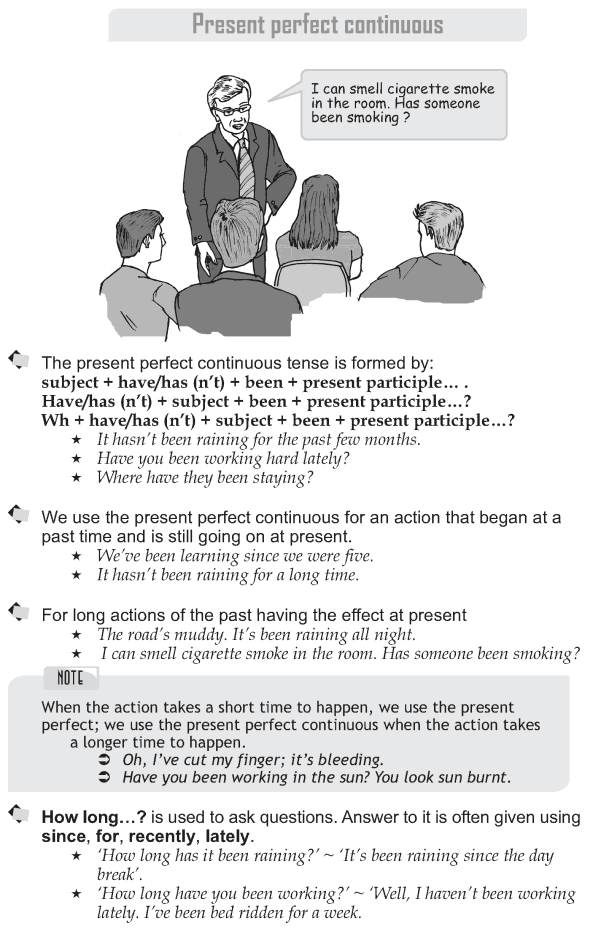
Grade 8 Grammar Lesson 16 Present tenses for the future
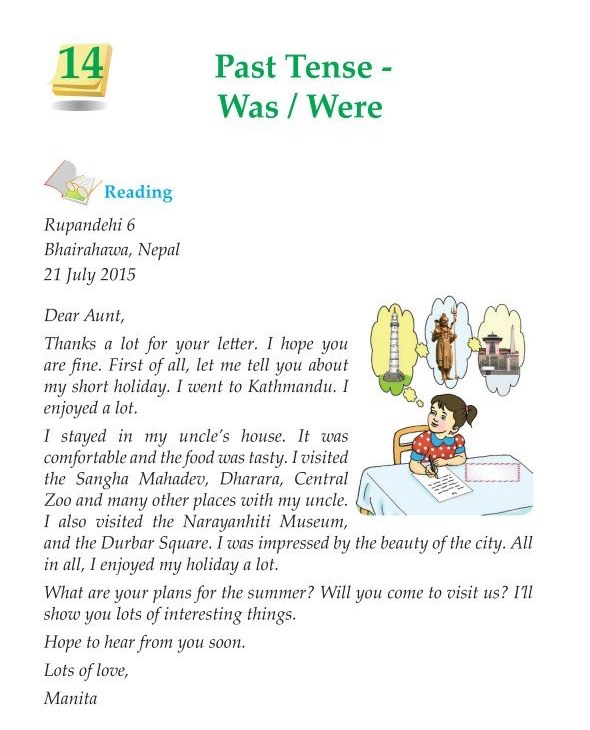
What is the structure of simple past tense?
When do we use the simple past tense?
How can we form negatives in simple past tense?
How can we form questions in simple past tense?
Can present perfect tense and simple past tense go together?
Continue reading »
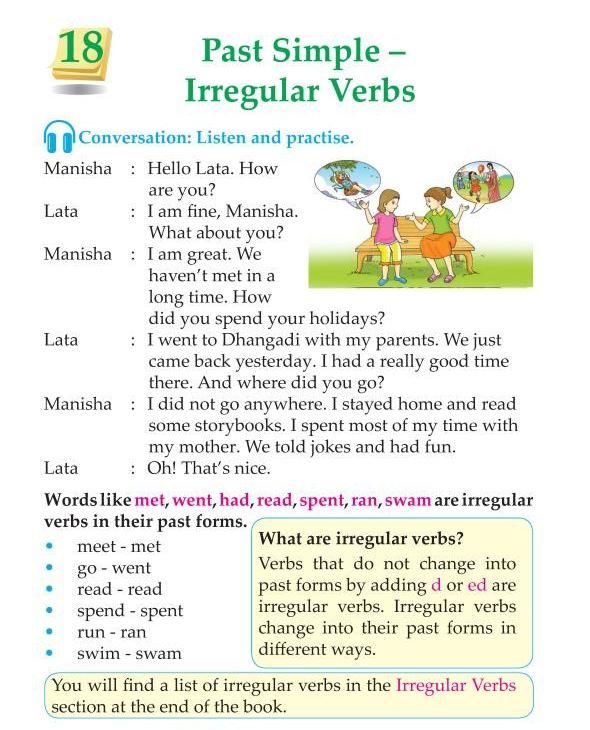
Grade 9 Grammar Lesson 6 Past simple
What is the difference between the simple past tense and the present perfect tense?
Can we use time expressions denoting the denoting the past time with present perfect tense?
Continue reading »
Grade 5 Grammar Lesson 9 Tense simple past and present perfect
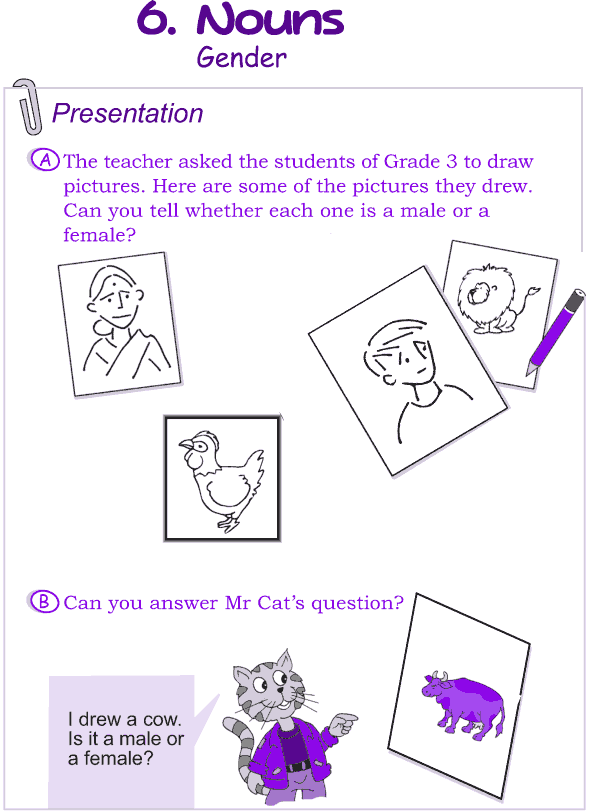
How many types of nouns are there on the basis of gender?
What are some examples of male nouns?
What are some examples of female nouns?
Continue reading »
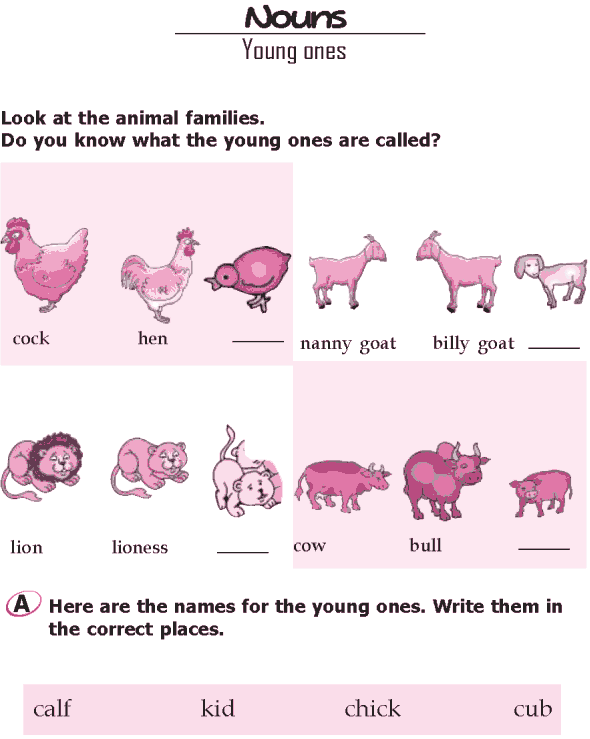
Grade 2 Grammar Lesson 7 Nouns – Masculine and feminine
What is the active form of the verb? When do we use it?
What is the passive form of the verb? When do we use it?
How do we change a verb from its active voice to its passive voice and vice versa?
How do we change a statement from its active voice to its passive voice and vice versa?
Continue reading »
Grade 10 Grammar Lesson 33 Passive verb forms
When do we use ‘at’ when we are talking about time?
When do we ‘in’ when we are talking about time?
What is the difference between ‘at night’ and ‘in the night’?
What is the difference between ‘at the moment’ and ‘in a moment’?
When do we use ‘on’ when we are talking about time?
Continue reading »
Grade 10 Grammar Lesson 39 At, in and on: Prepositions of time
What are interrogative sentences?
What are assertive sentences?
What are exclamatory sentences? Do they always end in an exclamation mark?
What are imperative sentences?
Continue reading »
Grade 4 Grammar Lesson 3 Types of sentence